Diagnosis and Resolution of Wi-Fi Connectivity/Transmission Issues on a safety-critical real-time application
Veröffentlicht am 03/12/2025
Waagner-Biro Stage Systems
Project Outline: Diagnosis and Resolution of Wi-Fi Connectivity/Transmission Issues on a safety-critical real-time application
WAAGNER-BIRO LUXEMBURG STAGE SYSTEMS S.A.
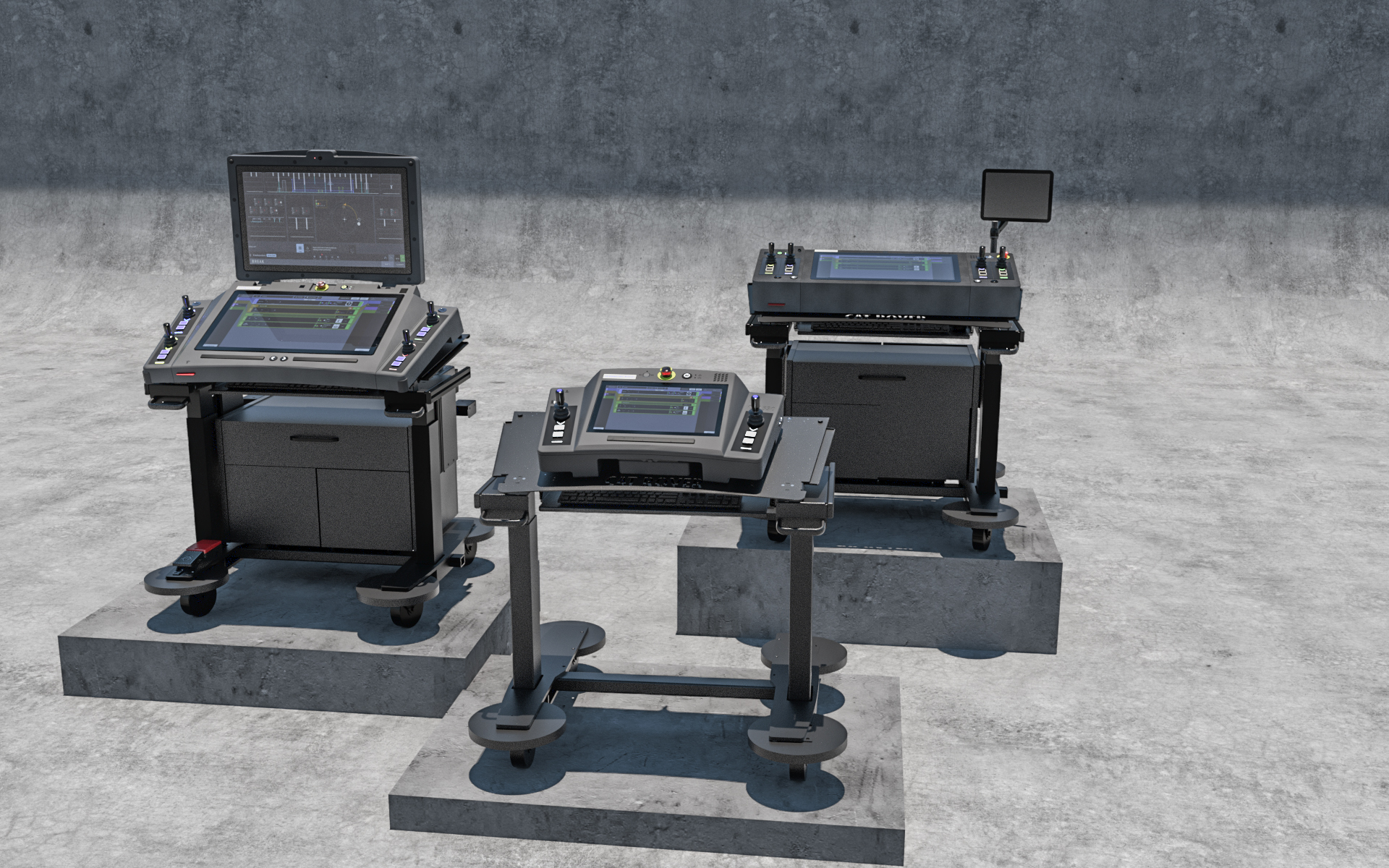
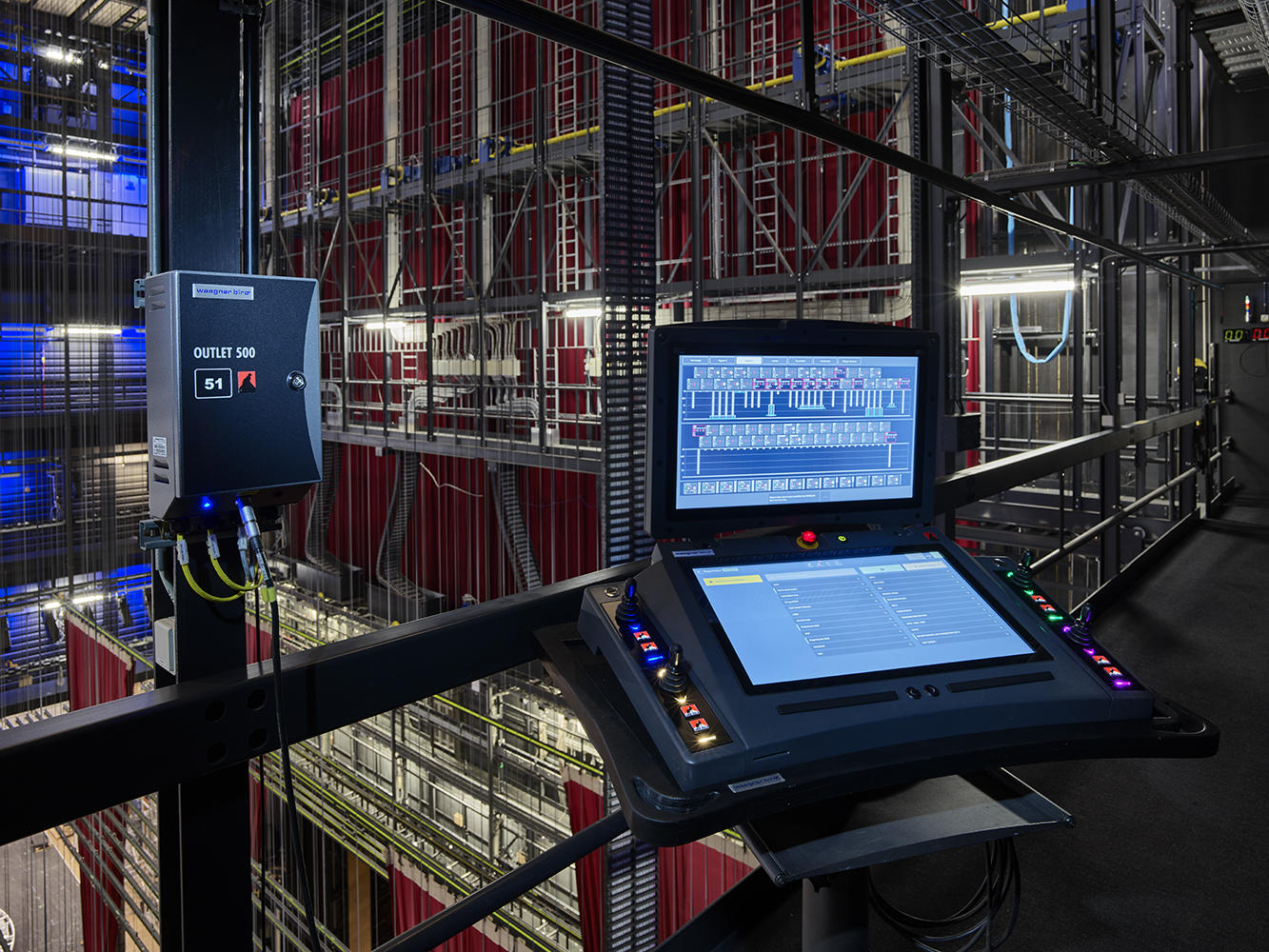
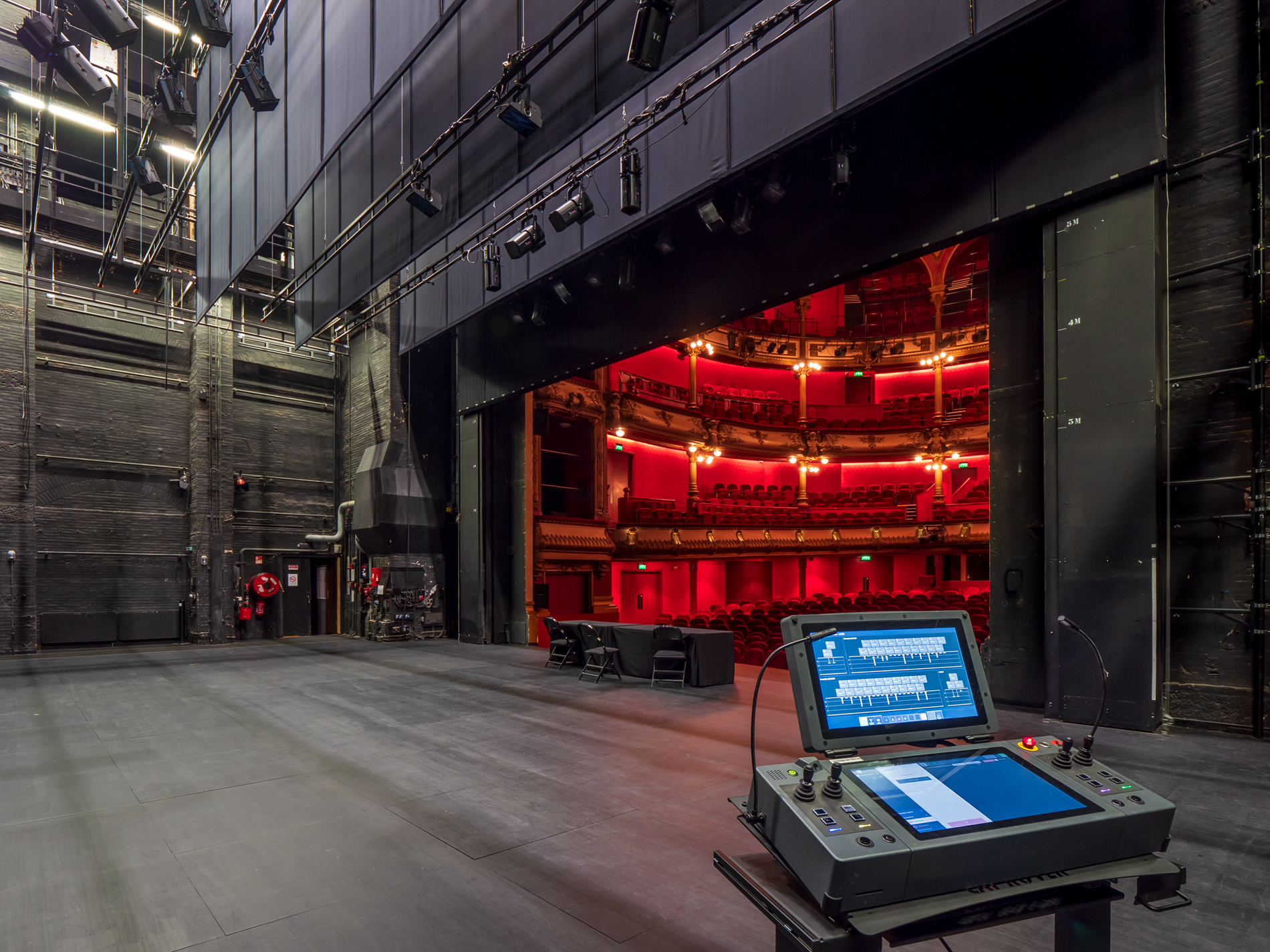
Waagner-Biro Luxembourg Stage Systems S.A., a proud member of the Waagner-Biro Stage Systems Group headquartered in Austria, is one of the world’s leading providers of cutting-edge stage technology solutions. From opera houses and theaters to music halls, multi-purpose venues, and luxury cruise ships, we design and deliver innovative systems that bring performances to life. At our Rodange site, we specialize in developing the "Computer-Aided Theatre" (C⋅A⋅T) safety control system—a state-of-the-art technology powering stage machinery in over 250 prestigious venues worldwide.
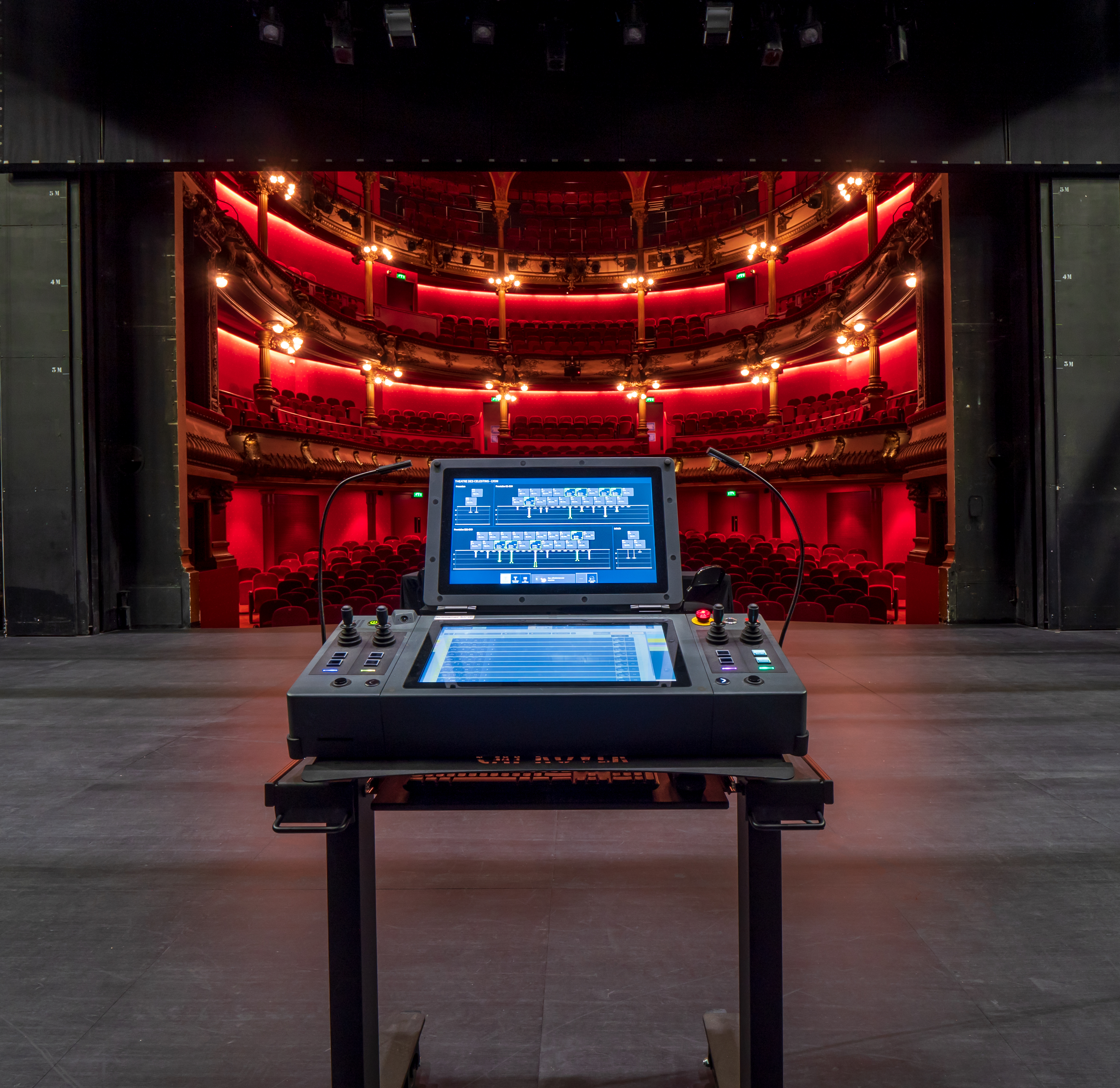
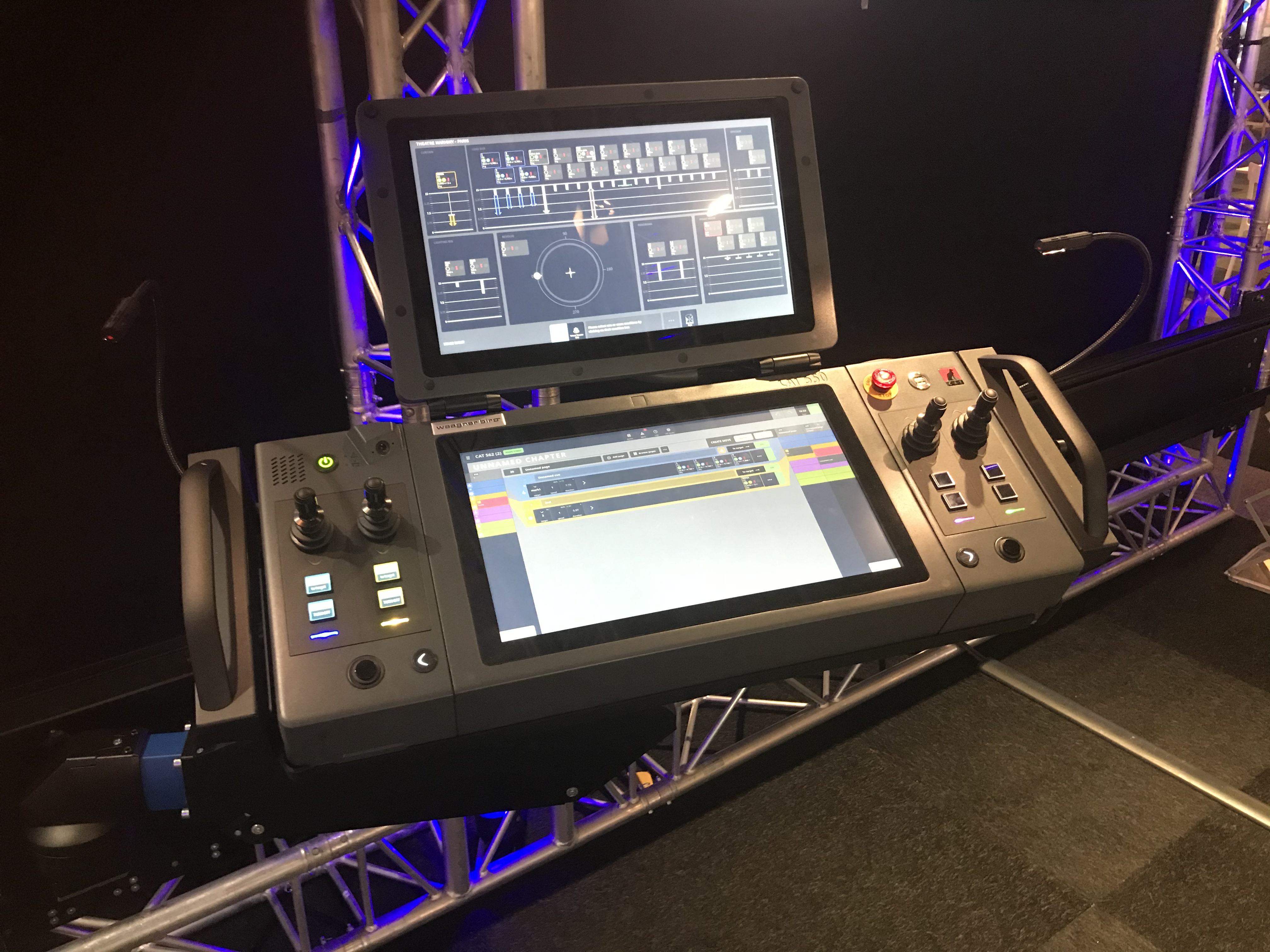
In the current operational setup, the control desk relies on a continuous wireless connection with an access point (AP). However, latency or package loss have been observed affecting performance and reliability. This project seeks to analyse and solve these issues in a structured and technically sound manner.
Identify , analyse, and resolve recurring wireless connection and transmission issues between the control desk and the designated access point (AP). The project will also provide preventive measures and guidelines to ensure stable wireless connectivity.
SCOPE OF WORK
Phase 1: System Understanding and Environment Mapping
- Document network architecture (topology, IP schema, connected devices).
- Assess control desk hardware and software (OS, drivers, hardware,
- protocols).
- Identify AP specifications (brand, model, firmware, and settings).
- Analyse the physical layout and sources of interference (walls, machinery, etc.).
- Identify the Wi-Fi standard and frequency band used (e.g., 802.11ac, 2.4GHz vs 5GHz).
Phase 2: Problem Identification
- Development of a corresponding test setup
- Replicate the connectivity issue and log:
- Signal strength (RSSI, SNR)
- Latency, jitter, package loss
- Package transmission order System and event logs from both ends.
- Determine patterns (time-based, distance-related, , load-based).
- Interview technical staff and system users.
- Influence of additional data transmissions not related to realtime data (e.g., UI).
Phase 3: Technical Diagnostics
Use network analysis tools:
- Wireshark, NetSpot, Ekahau, InSSIDer
- Ping, Traceroute, iPerf
- Mikrotik specific tools: -Torch, Sniffer, Profile
- Logging, Traffic-Flow, Wireless Monitor
Check for:
- Sequence of transmitted packages
- Channel interference or overlap.
- Firmware or driver bugs
- Roaming issues (if multiple APs involved)
Phase 4: Solution Development
Propose and test solutions such as:
- Protocol changes/optimization
- Updating firmware and drivers
- Introducing repeaters or secondary apps
- Hardware replacement or upgrade
- Validate performance improvements through retesting.
Phase 5: Implementation and Monitoring
- Apply selected solution(s) in the testing environment.
- Monitor the behavior of the system for a defined period.
- Evaluate and document stability and performance metrics.
OUR REQUIREMENTS
Deliverables
- Initial System Assessment Report
- Diagnostics and Testing Log
- Proposed Solutions and Justification
- Implementation Report
- Final Summary Report with Recommendations
- Optional: Final Presentation or Demo
Timeline (Suggested)
Total Duration: 4- 6 months, phases can be adjusted based on environment and urgency.
Recommended Skills for the Researcher
- Understanding of wireless networking (802.11 standards)
- Experience with Linux network diagnostics
- Familiarity with tools like Wireshark and InSSIDer
- Analytical and troubleshooting skills
- Technical documentation and reporting
INTERESTED IN JOINING OUR TEAM FOR THIS PROJECT?
Then we look forward to receiving your complete application documents via Moovijob.com.